FINTECH

Equity wants to stop lending against raw hides
The pitch managing director Moses Nyabanda took to Narok is that the bank's job is the market, not just the loan: "If you are a livestock farmer, we want to see how we can link you to markets that buy processed leather for designer bags, rather than selling raw hides." The mechanics attached to it are concrete — a two-week turnaround on farm loans so disbursement lands inside the planting cycle, up to 105% financing on tractors and commercial trucks, and unsecured lending up to KSh10 million. Narok is the template, a county moving past rain-fed wheat and game reserves into livestock, trade and tourism. Officials at the same table pressed for "humane default management" rather than quick auctions, which is the part that usually decides whether smallholders borrow at all.
TechTrends KE
FINTECH

Absa will finance the rent on Shell forecourts
An MOU with Vivo Energy Kenya lets Shell service-station dealers borrow for the two things that usually eat their cash: advance rent to landowners, and building additional sites. Vivo runs about 350 Shell stations in Kenya, though neither party has said how many dealers can draw on the facility or how large it is. Absa business banking director Renato D'souza framed it as helping dealers "secure long-term operating locations"; Vivo Energy Kenya's Peter Murungi signed for the fuel side. It is a small, specific piece of embedded lending — the bank underwriting a franchise network's property costs rather than selling dealers a generic overdraft.
TechTrends KE
FINTECH
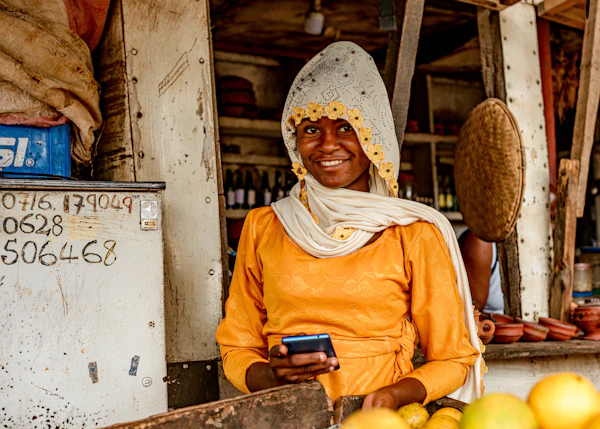
Visa signs five years with Ethiopia's Dashen Bank
The agreement covers payment acceptance, card issuance, cross-border transactions and new digital payment products, with Dashen — one of Ethiopia's largest private banks, with a wide branch, merchant and digital footprint — as the distribution. CEO Asfaw Alemu tied it to the country's digital transformation push. Read it next to Safaricom Ethiopia's numbers from last week: 5.69 million active M-Pesa users generating roughly KES 100 million a year in a market where 99% of small payments are still cash. Ethiopia's payments opportunity is real, and everyone can see it; nobody has yet shown it converts quickly.
TechTrends KE
